

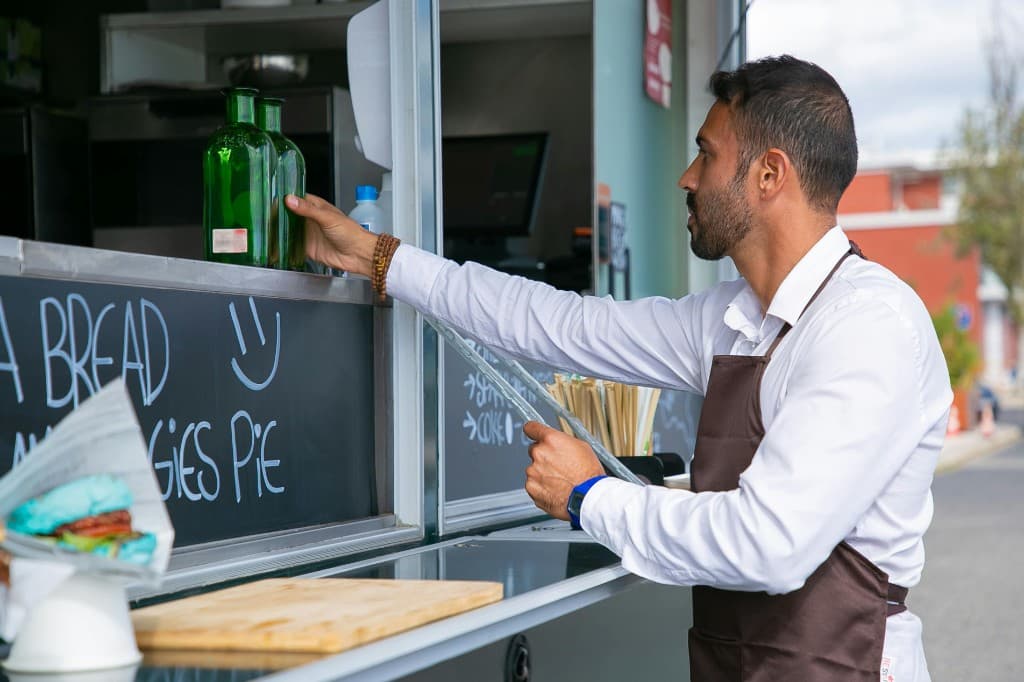
Hospitality management covers a broad spectrum of operations, but hotels and restaurants represent two distinct worlds within the same industry. While both focus on customer satisfaction and service excellence, the way managers approach their work differs significantly. Understanding these differences helps students and professionals make informed career decisions and develop the right skill sets for their chosen path.
Different Operating Hours
The most obvious difference between hotel and restaurant management is how time shapes the working day. Hotels run continuously, with guests checking in at midnight, maintenance issues arising at 3am, and breakfast service starting before most people wake up. This 24/7 operation means hotel managers think in terms of shifts, handovers, and round-the-clock coverage. Someone always needs to be in charge, which is why hotels employ duty managers who rotate through night shifts and weekends.
Restaurants operate in defined service windows. Lunch might run from noon until 3pm, with dinner service starting at 6pm. Between these periods, the building may be closed to customers whilst staff prepare for the next rush. Restaurant managers structure their days around these peaks, arriving early to receive deliveries and oversee prep work, then staying late to close down after the last table leaves. The rhythm is intense but contained within specific hours, even if those hours stretch long.
This fundamental difference in operational hours affects everything else about how these businesses are managed. Hotels need systems that work when key personnel are off duty. Restaurants need managers who can handle the controlled chaos of a full dining room where everything happens at once.
Managing Multiple Departments vs Focused Operations
Walk into a hotel and you'll find numerous departments working simultaneously. Front desk staff check guests in whilst housekeepers clean rooms three floors up. The maintenance team fixes a leaking tap in a room whilst the kitchen prepares breakfast for 80 guests. Conference staff set up meeting rooms whilst the concierge arranges theatre tickets. A hotel general manager oversees all of these moving parts, often managing 50 to 200 staff members depending on property size.
Restaurant management centres on two core areas: the kitchen and the dining room. These are often called back of house and front of house. The kitchen operates under a strict hierarchy from head chef down through sous chefs to commis chefs and kitchen porters. The dining room has its own structure with restaurant managers, supervisors, servers, and support staff. Whilst this seems simpler than a hotel's complexity, the intensity comes from how tightly these two areas must coordinate. A delay in the kitchen immediately affects customer experience in the dining room, and vice versa.
Hotel managers develop broad operational knowledge across multiple specialisms. Restaurant managers develop deep expertise in food service operations and kitchen management. Both require strong leadership, but the scope differs considerably.
Different Financial Priorities
Revenue generation in hotels centres on room occupancy. Hotel managers track metrics like occupancy rate (percentage of rooms sold), average daily rate (typical price per room), and revenue per available room. Pricing strategy involves adjusting rates based on demand, with higher prices during peak periods and promotional rates during quiet times. Many hotels also generate significant income from food and beverage outlets, conferences, and spa facilities, but rooms typically provide the highest profit margins.
Restaurants measure success differently. Table turnover matters enormously because a table occupied for three hours generates less revenue than the same table serving two different groups in that time. Food cost percentage, the ratio of ingredient costs to menu prices, directly impacts profitability. Labour costs as a percentage of revenue must be carefully controlled because restaurants typically operate on thin margins. A successful restaurant might make 10 to 15 percent net profit, whilst hotels often achieve 20 to 40 percent.
These different financial models shape management priorities. Hotel managers focus on maximising occupancy whilst maintaining rate integrity. Restaurant managers balance food quality with cost control whilst ensuring service speed doesn't compromise the dining experience. Both require financial acumen, but the specific metrics and strategies differ substantially.
Staffing Structures and Scheduling Challenges
Hotels employ larger teams organised by department. A front office manager oversees reception staff working in shifts to cover 24 hours. A head housekeeper manages room attendants who typically work morning shifts. Food and beverage managers coordinate restaurant staff, bar staff, and room service operations. Maintenance teams keep the building functioning. Each department has its own hierarchy, reporting structures, and scheduling requirements.
The scheduling complexity in hotels is significant. Staff need coverage every day of the year including Christmas Day and New Year's Eve when many guests are in residence. Night shifts must be staffed even during quiet periods because emergencies and guest needs don't follow occupancy patterns. Hotel managers spend considerable time on rota planning, ensuring adequate coverage whilst controlling labour costs.
Restaurants work with smaller, more focused teams but face their own scheduling challenges. Kitchen teams operate in high-pressure environments where timing is everything. A missing chef during Saturday dinner service creates immediate problems. Front of house teams must be sized correctly for expected covers. Too few staff and service suffers. Too many and labour costs eat into already tight margins.
Split shifts are common in restaurants, with staff working lunch service, having a break, then returning for dinner. This pattern rarely exists in hotels where shift work follows more conventional patterns. Restaurant managers often work 12 to 14 hour days covering both services, whilst hotel managers typically work standard shifts with duty management rotations for evening and overnight coverage.
Customer Relationships and Service Recovery
The nature of customer interaction differs significantly between hotels and restaurants. Hotel guests typically stay for multiple nights, allowing staff to build relationships over several days. A front desk manager might check in a guest, arrange a late checkout the following day, recommend a restaurant for their anniversary dinner, and wish them farewell after a three-night stay. This extended interaction creates opportunities for personalised service and relationship building.
Restaurant customers usually spend two to three hours on the premises. Staff must establish rapport quickly, understand preferences through brief conversation, and deliver excellent service within a compressed timeframe. Regular customers become familiar faces, particularly in neighbourhood restaurants, but the relationship develops through repeated short visits rather than extended single interactions.
Service recovery also works differently. In hotels, if a room isn't ready on arrival, the manager might offer a complimentary drink in the bar whilst the guest waits. If noise from a neighbouring room disturbs sleep, the hotel can move the guest to a quieter room and potentially discount the stay. There's time and opportunity to correct problems.
In restaurants, service recovery must be immediate. If food arrives cold or incorrectly prepared, the kitchen needs to remake it quickly whilst the rest of the table waits. If a reservation is mishandled and a table isn't available, the manager must find a solution within minutes. The condensed timeframe means problems have immediate impact and require fast resolution.
Technology and Systems Management
Hotels rely on property management systems that handle reservations, check-ins, room assignments, billing, and guest history. These systems integrate with channel managers that distribute inventory across online travel agencies, direct booking websites, and other sales channels. Hotel managers need competence in these platforms because they form the operational backbone of the business.
Restaurants use point of sale systems to manage orders, table assignments, and billing. Reservation platforms help manage bookings and track customer preferences. Kitchen display systems communicate orders from front of house to back of house. The technology is less complex than hotel systems but requires integration between front and back of house operations.
Both sectors increasingly use data analytics, but the information tracked differs. Hotels analyse booking patterns, guest demographics, and revenue management data. Restaurants focus on table turnover rates, menu item popularity, and cost percentages. Understanding and using this data effectively has become a crucial management skill in both sectors.
Quality Control and Standards
Hotels and restaurants both need rigorous quality standards, but they focus on different areas and face different consequences when things go wrong.
Hotels measure quality through room inspections, cleanliness checks and maintenance schedules. Housekeeping standards are detailed and specific, covering everything from how towels should be folded to the order in which rooms should be cleaned. These standards matter because maintenance issues affect multiple guests simultaneously. A broken air conditioning unit or faulty lift doesn't just inconvenience one person but disrupts the experience for everyone on that floor or in that section of the building. When quality slips, the consequences are immediate. A poorly cleaned room creates guest dissatisfaction and often results in negative online reviews that can damage the hotel's reputation for months.
Restaurant quality control works differently because it centres on what comes out of the kitchen. Consistency matters enormously. Each dish should taste the same whether it's ordered on a quiet Tuesday lunch or a busy Saturday evening. The plating needs to look identical across multiple orders. Beyond appearance and taste, kitchen hygiene standards must be maintained rigorously to comply with food safety regulations. The consequences of quality failures in restaurants operate on two levels. Inconsistent food quality or poor presentation affects the dining experience and leads to complaints, which damages reputation. Food safety failures, however, create far more serious problems. These carry legal consequences and genuine health risks that extend well beyond a bad review.
Career Paths in Each Sector
Hotel management careers often follow departmental paths before reaching general management. Someone might start at front desk, progress to front office supervisor, then assistant front office manager, and eventually front office manager. From there, they might move into duty management or assistant general manager roles before becoming a general manager. Alternatively, they might specialise in revenue management, sales, or food and beverage within the hotel context.
Restaurant careers typically split into two distinct tracks: front of house (the dining room and customer-facing roles) and kitchen (the cooking and food preparation areas). Front of house managers often begin as servers, move into supervisory roles, then progress to assistant manager and general manager positions. Kitchen careers follow the classical brigade system, a structured hierarchy where chefs specialise in different areas. This starts as a kitchen porter (cleaning and preparation) or commis chef (junior cook learning the basics) and advances through chef de partie (station chef responsible for a specific section), sous chef (second-in-command), and head chef positions. Some restaurants have general managers who oversee both areas, whilst others have separate restaurant managers and head chefs who work as partners.
Crossover between sectors happens regularly, particularly as managers gain experience. A hotel food and beverage manager might move into standalone restaurant management. A restaurant general manager might transition into hotel operations. The fundamental skills of leadership, customer service, and financial management transfer effectively, though sector-specific knowledge must be learned.
Where These Paths Overlap
Despite their differences, hotel and restaurant management share core competencies. Both require excellent customer service skills and the ability to handle complaints professionally. Both demand financial literacy and the ability to control costs whilst maintaining quality. Both need managers who can lead teams effectively, particularly during busy periods when pressure is high.
Problem solving under time pressure is essential in both sectors. Whether managing an overbooked hotel or a kitchen that's running behind on orders, managers must think quickly and make decisions that balance customer satisfaction with operational reality. Communication skills matter enormously because managers must relay information clearly to diverse teams and maintain composure with demanding customers.
The Level 5 HND in Hospitality Management at LCK Academy addresses both sectors comprehensively through dedicated modules. The programme is offered in partnership with University Centre Somerset, part of Bridgwater & Taunton College. The Managing Food and Beverage Operations module covers restaurant and catering management in depth. Front Office Operations Management focuses specifically on hotel reception and guest services. Leadership and Management for Hospitality applies across both contexts, developing the interpersonal and organisational skills needed regardless of sector. Beyond operational skills, the Business Strategy module teaches the commercial thinking required to run profitable operations in either environment.
How Hospitality Education Prepares You for Both Sectors
A comprehensive hospitality management qualification needs to cover both hotel and restaurant operations because the skills overlap significantly, even when the day-to-day work differs. The Level 5 HND in Hospitality Management at LCK Academy takes this approach by including units that address both sectors directly.
| Unit | Focus Area | What You'll Learn | Application |
|---|---|---|---|
| Managing Food and Beverage Operations | Restaurant and catering management | Menu planning, cost control, service standards, kitchen operations | Provides practical knowledge of how restaurants function financially and operationally, applicable to hotel restaurants or standalone establishments |
| Front Office Operations Management | Hotel reception and guest services | Property management systems, revenue management, coordination between departments | Directly applicable to hotel careers whilst developing customer service and operational thinking that transfers across hospitality contexts |
| Leadership and Management for Hospitality | Interpersonal and organisational skills | Managing teams under pressure, handling conflicts, motivating staff, cross-department communication | Universal requirements for both hotel and restaurant management roles |
| Business Strategy | Commercial thinking and planning | Market positioning, competitive analysis, financial planning, strategic decision-making | Equally important in hotels and restaurants, though specific metrics differ between sectors |
The blended learning structure, with online sessions on Mondays and Thursdays and in-person teaching on Sundays, allows students to continue working in hospitality whilst studying. This means you can apply what you learn immediately in your current role, whether that's in a hotel, restaurant, or another hospitality setting. Many students find that theoretical concepts make more sense when they can test them in real working environments during the same week they're taught.
Exposure to both hotel and restaurant management during your studies helps you make informed career decisions. Some students may enter the programme certain about their preferred sector, only to discover during modules on front office operations or food and beverage management that they're drawn to something different. Others may use the qualification to transition from one sector to another, applying restaurant experience to hotel food and beverage roles or moving from hotel reception into event management.
The qualification also provides flexibility for career progression. Hospitality managers frequently move between sectors throughout their careers as opportunities arise. Someone might start in restaurant management, move into hotel food and beverage, then progress to hotel general management. Having studied both areas creates options rather than limiting you to a single path.
Choosing Your Direction
Choosing between hotels and restaurants may come down to understanding which environment matches your strengths. Hotels appeal to those who enjoy variety and systematic processes. The multi-departmental structure means no two days are identical, and problems range widely from maintenance issues to guest relations to revenue management. The opportunity to build relationships with guests over several days suits those who value interpersonal connection.
Restaurants attract people drawn to fast-paced environments and immediate results. The intensity of service periods appeals to those who thrive under pressure. For those interested in food, the kitchen offers creative freedom and the satisfaction of making dishes customers enjoy. The smaller team size means relationships develop differently, often becoming quite close-knit.
Many managers try both sectors before settling into one or continue moving between them throughout their careers. The skills developed in one transfer effectively to the other, making hospitality management a flexible qualification that opens multiple doors. Understanding the differences helps you make informed decisions about placements, part-time work during study, and eventual career direction.
Both hotels and restaurants need skilled managers who understand the operational realities of their sector. Whether you prefer the variety of hotel management or the focused intensity of restaurant operations, the hospitality industry offers strong career opportunities for those who develop the right skills.
Getting More Information
If you want to know more about how the HND in Hospitality Management prepares you for both hotel and restaurant careers, the admissions team can help.
Contact LCK Academy:
Email: admissions@lckacademy.org.uk
Phone: 020 8161 3300
The team can discuss entry requirements, programme structure, Student Finance options and how the course fits your career goals.
Whether you're already working in hospitality and want to progress into management or considering a career change into the sector, understanding both hotel and restaurant operations provides flexibility and opens multiple career paths.
Programme details and entry requirements are subject to change. Check lckacademy.org.uk for current information before applying. Confirm funding eligibility directly with Student Finance England.